Hi everyone! It’s been a little while since my last post on ticks. Finals at the end of the school year kept me busy, but now that summer’s here, I finally have the time to write again! I’m excited to share more posts with you over the next few months. A couple of weeks ago in health class, we had a guest speaker named Hunter Flores, who talked about his experience with substances starting when he was a teenager. His story really helped me understand how important it is to understand the risks of substances, even ones people often call “harmless.” In today’s post, we’re going to use the CDC’s ENGAGE report made to provide evidence-based strategies to prevent youth substance use. Using this report, we will take a closer look at different substances and the health risks associated with them, and why awareness matters for all of us.
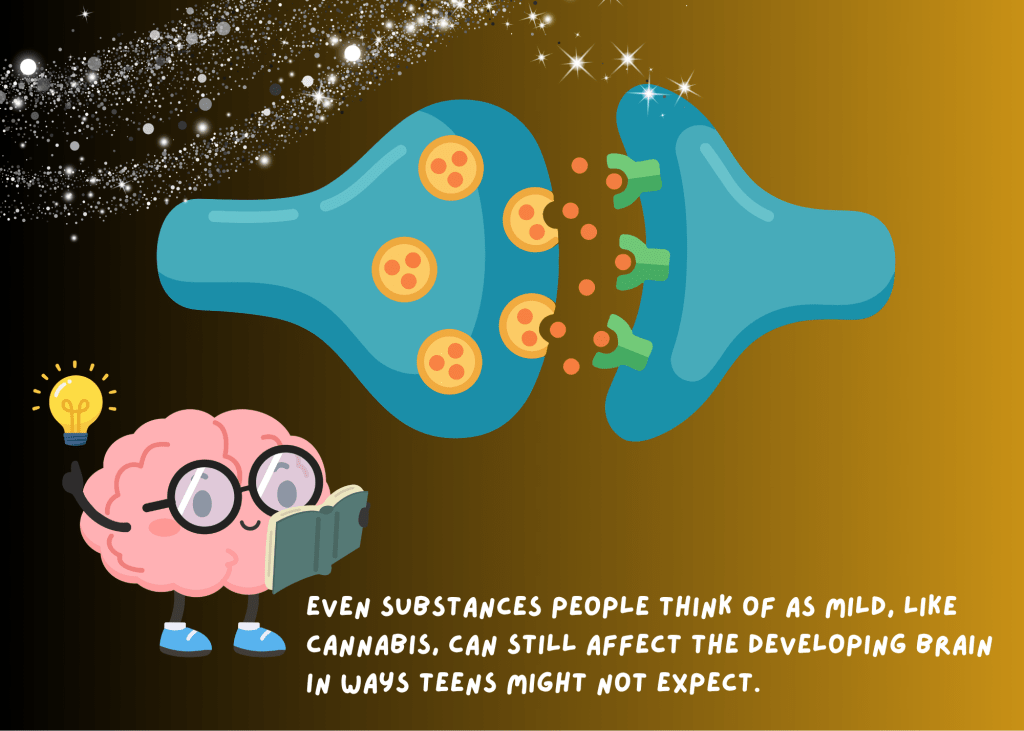
Hunter’s story stuck with me because it showed how quickly early experimentation can turn into something harmful. And according to the CDC’s ENGAGE report, “Youth substance use is a significant public health concern in the U.S” (ENGAGE, p.7). Even though substances, like cigarettes have become less common, others have increased. For example the CDC reports, “In 2024, 9% of 8th graders, 17% of 10th graders, and 26% of 12th graders… used illegal substances in the past year” (ENGAGE, p.7). The illegal substances included cannabis and cocaine. Even if certain substances seem “normal” or “not a big deal,” the truth is that teen substance use is still widespread, and risky. These early uses of substances are especially harmful since they interfere with brain development for adolescence which is a critical period. Furthermore, the CDC writes “Behaviors developed during this period may lead to long term physical and mental health consequences” (ENGAGE, p.8). This means that even substances people think of as mild, like cannabis, can still affect the developing brain in ways teens might not expect.
Through the ENGAGE report, we also see how mental health challenges and struggles and substance use often overlap. In 2023, the report said “One in four high school students reported feeling sad or hopeless” (ENGAGE, p.9). With the pressure of school and other things, some turn to substances to cope or to feel like they fit in. However, we see this is especially dangerous since the brain is still developing until around age 25. In Hunter’s speech, he really emphasized that substances might seem like they help in the moment, but over time they can worsen your mental health.
Now that we have a general understanding about substances, let’s talk about what actually works to prevent youth substance use. The ENGAGE report lists six evidence based strategies proven to reduce youth substance.
- Enhance knowledge and skills through school programs. My health teacher was also talking about the importance of our class because it helps teach us refusal skills, coping strategies and decision making.
- Create a nurturing family environment. The CDC’s report says the evidence we have shows that good communication, clear expectations from parents about substances and parental guidance/monitoring matter a lot for preventing teen substance use.
- Give youth access to resources and activities. These resources and activities like extracurriculars and mentorship help teens build confidence, healthy routines and good guidance.
- Create protective community environments. Communities can reduce access to substances, increase support, and create safer environments.
- Guide efforts to lessen immediate and long term harms. This includes building treatments and services to support with preventing substances for teens
- Encourage provider and health system engagement. Doctors, and nurses can screen, educate and support teens during yearly visits to prevent substance use.
So you might be asking, what does this mean for us? Why should I care if I’m a teen? I thought the same thing since I never think about using substances. Understanding substance risks isn’t about judging anyone. It’s about protecting health, supporting mental well being, and making sure teens have the tools they need to make safe choices. Awareness and education matter. And hearing real stories like Hunter’s helps us understand why.


Leave a Reply